
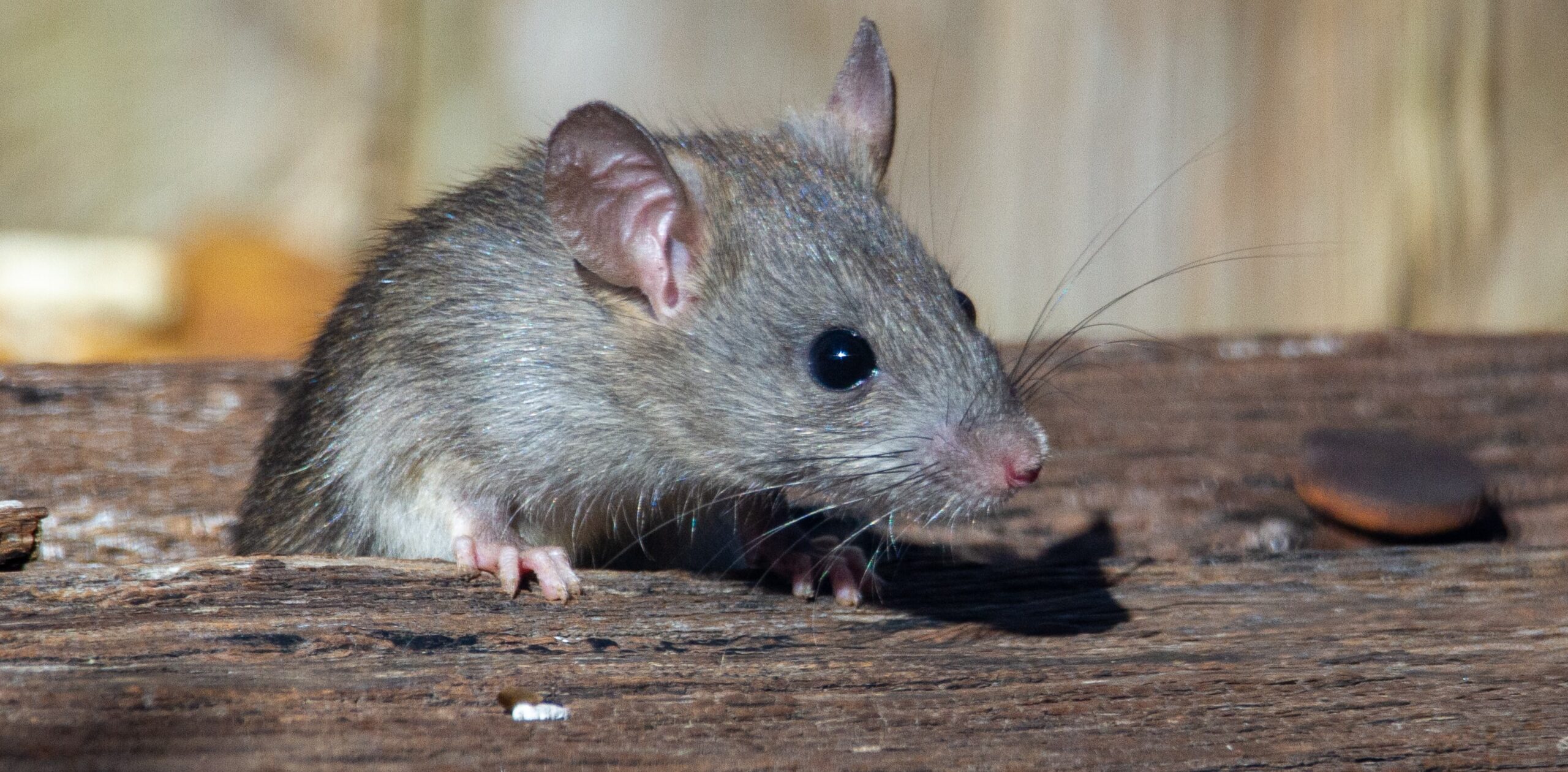
Beware of Disease-Carrying Rodents
Protect Your Home with Tactical Pest and Termite Solutions

When most people think of pests, they imagine annoying insects like ants, flies, or mosquitoes. But one of the most destructive, dangerous, and persistent pests in North Carolina homes and businesses is the rat. Strong, determined, and nocturnal by nature, rats are not just unsightly—they pose serious risks to your property and your health.
At Tactical Pest and Termite Solutions, we know the damage and danger rodents bring, and we’ve spent years helping families and businesses stay safe from their effects. In this post, we’ll explain why rats are such a problem, how to spot the signs of an infestation, and what you can do to prevent them from taking over your home.
Why Rats Are a Serious Problem
Rodents aren’t your average household pest. They are powerful rodents capable of chewing through plastic, soft concrete, aluminum, and even steel in search of food and shelter. Once inside your home, they can quickly cause extensive damage:
• Chewing through wiring: This not only damages appliances and electrical systems but also creates fire hazards.
• Gnawing on building materials: Rats can weaken wood, insulation, and even structural components.
• Contaminating food sources: They spread bacteria and pathogens simply by walking over surfaces and food containers.
But the property damage is only part of the story. Mice are notorious carriers of serious diseases that can spread to humans. The most concerning of these is hantavirus, a rare yet dangerous infection that can cause severe lung and heart complications. And that’s just one example—rats can also spread salmonella, rat-bite fever, and leptospirosis.
Identifying Signs of a Rat Infestation
One of the most important steps in rodent control is recognizing the early warning signs. Mice are nocturnal, so you may not spot them easily during the day, but their presence is often revealed by what they leave behind.
Here’s what to watch for:
- Droppings – Rat droppings are typically about ½ inch long, larger than the small, rice-like droppings of mice. If you find these in your kitchen, pantry, cupboards, or attic, you may be dealing with rodents.
- Gnaw Marks – Look for chewed edges on food packaging, wiring, baseboards, or storage containers.
- Grease Trails – Rats leave behind dark, greasy smudge marks as their oily fur rubs against walls and baseboards.
- Noises at Night – Scratching, scurrying, or squeaking sounds in walls, ceilings, or attics are classic signs of rat activity.
- Burrows or Nests – Rodents often create nests in cluttered spaces, using paper, fabric, or insulation.
Spotting one or more of these signs means it’s time to act quickly before a small issue turns into a major infestation.
How to Rodent-Proof Your Home
While professional help is often the most reliable solution, there are steps you can take to make your home less inviting to rats:
- Securely Store Food and Trash: Rats have a strong sense of smell and will chew through containers to get to food. Always keep food in sealed, rodent-proof containers and trash in tightly closed bins.
- Declutter Paper and Cardboard: Mice love nesting in paper piles, cardboard boxes, and cluttered storage areas. Reducing these hiding spots makes your home less appealing.
- Seal Cracks and Openings: Rodents can squeeze through openings as small as a quarter. Seal entry points around doors, windows, vents, and foundations using copper wool, which they cannot chew through.
- Maintain Cleanliness: Keeping kitchens and pantries clean, wiping down counters, and promptly cleaning spills removes the attractants that draw rodents in.
These preventative measures are helpful, but once rats have made their way inside, DIY methods may not be enough to eliminate them.
The Health Risks of Rats
The greatest danger rats pose isn’t just property damage—it’s the diseases they carry. Hantavirus, spread through rodent urine, droppings, or saliva, is especially concerning. When particles containing the virus become airborne, humans can inhale them, leading to potentially life-threatening infections.
Other diseases linked to rodents include:
- Salmonella – A common foodborne illness that causes severe gastrointestinal distress.
- Rat-Bite Fever – Spread through bites or contact with rat droppings and urine.
- Leptospirosis – A bacterial infection that can cause kidney or liver damage.
Because rats can transmit pathogens indirectly—simply by contaminating surfaces—it’s important to treat any rat problem as a serious health hazard.
Why Call Tactical Pest and Termite Solutions?
At Tactical Pest and Termite Solutions, we don’t just remove rats—we protect your home or business with comprehensive, tailored strategies backed by years of experience. Here’s why customers across North Carolina trust us:
- Thorough Inspections: We identify the source of the infestation, entry points, and nesting areas.
- Targeted Treatments: Our methods are effective, humane, and designed to deliver long-term results.
- Prevention Strategies: We don’t just eliminate rodents—we help you prevent them from coming back with practical, customized solutions.
- Proven Experience: With years of serving North Carolina homes and businesses, we know exactly how to handle rodent problems effectively and efficiently.
Take Action Before It’s Too Late
Rats are not a pest you can afford to ignore. Their ability to damage property and spread dangerous diseases makes them one of the most serious threats to any home or business. If you’ve spotted signs of rodents, don’t wait—taking quick action can save you costly repairs and protect your health.
Call Tactical Pest and Termite Solutions today and let our professionals rid your home and property of these irritating rodents. With our expertise, tailored treatments, and commitment to safety, you can rest easy knowing your home is protected.