
Scratching Noises in Walls at Night? 7 Possible Causes
What Those Mysterious Sounds Could Mean for Your Home
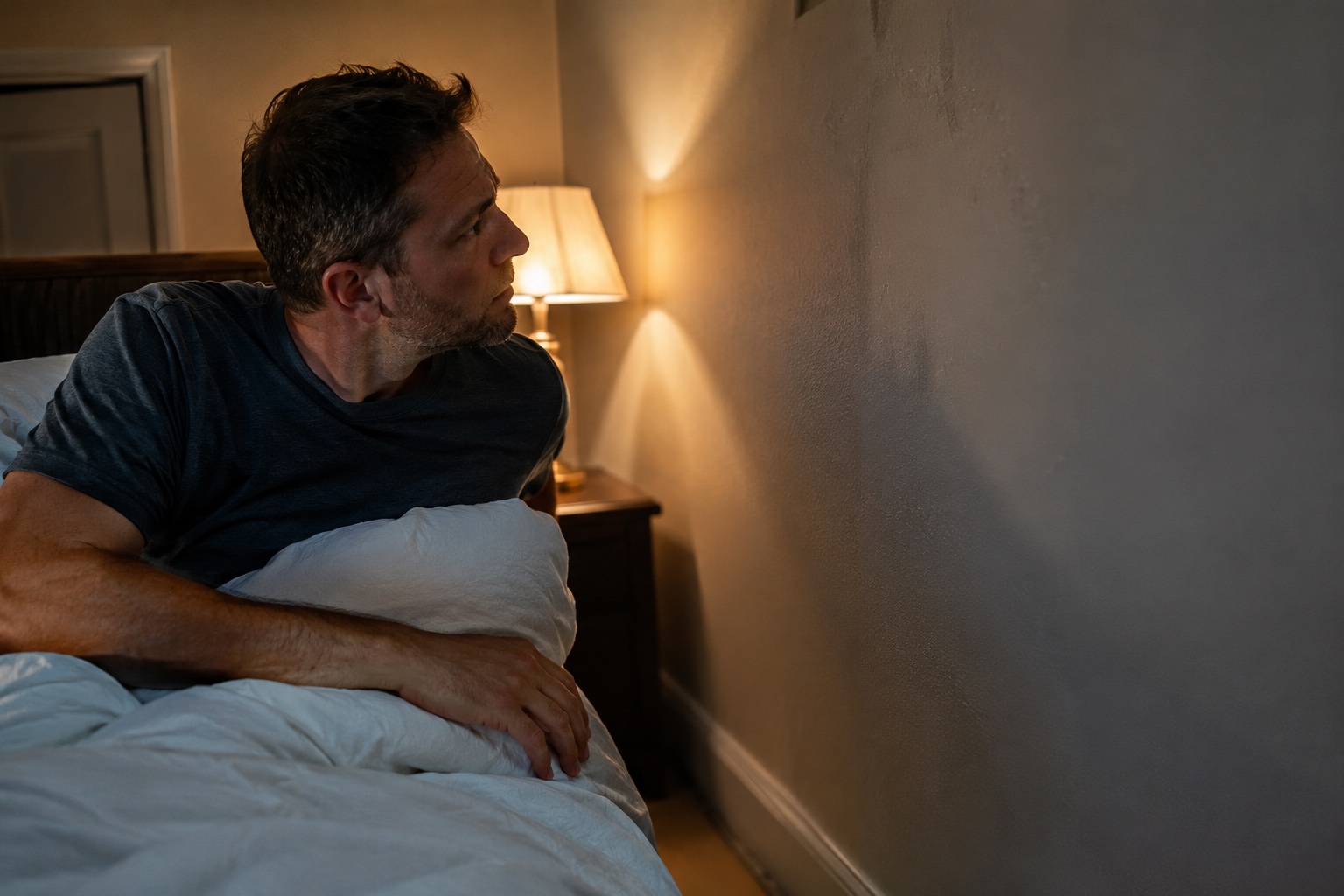
Hearing scratching noises in walls at night can be unsettling, especially when you cannot determine where they are coming from. While mice and other rodents are common suspects, not every unusual sound indicates a pest infestation. At Tactical Pest and Termite Solutions, we help homeowners throughout Mint Hill, NC, and surrounding communities identify pest problems and understand when professional attention is necessary. Knowing what causes these mysterious sounds can help you protect your home and avoid unnecessary worry.
Why Do Scratching Noises in Walls Seem Louder at Night?
Homes are generally quieter after dark, making faint sounds easier to notice. Noises that go unnoticed during the day may become surprisingly obvious when televisions, appliances, and everyday activities settle down.
Mice and rats are primarily nocturnal, meaning they are often most active at night. However, other animals and even ordinary household systems can produce similar sounds.
When investigating scratching noises in walls, consider the time, location, frequency, and type of sound. These details can provide valuable clues about what is happening behind the drywall.
7 Possible Causes of Scratching Noises in Walls
1. Mice Moving Through Wall Cavities
Mice are among the most common pests associated with scratching sounds in walls.
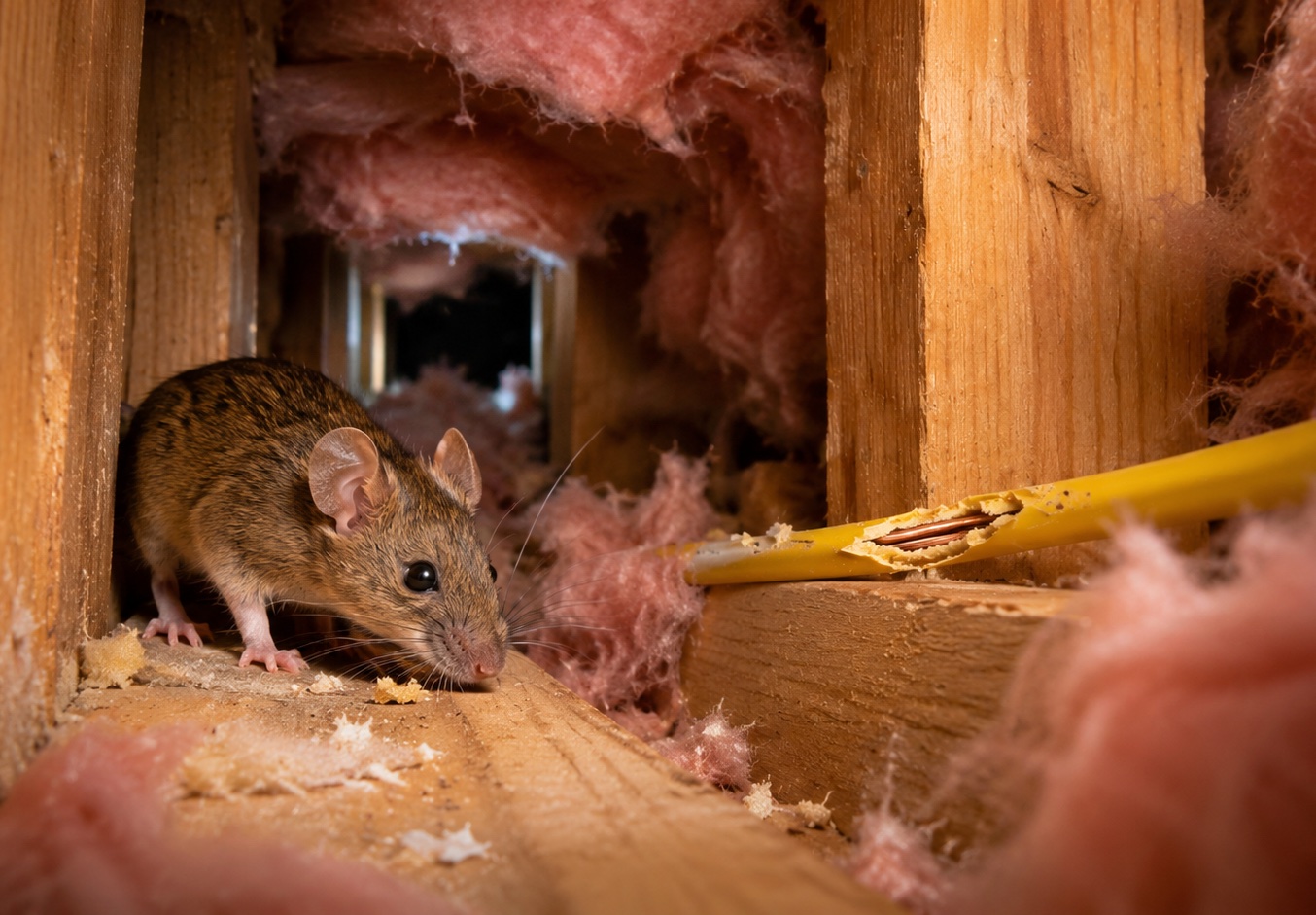
Their small bodies allow them to travel through narrow spaces around framing, insulation, and utility openings. As they move, homeowners may hear faint scratching, quick scurrying, or occasional squeaking.
Mice may also chew materials or gather insulation for nesting.
If scratching noises in walls occur repeatedly after dark, especially near kitchens, garages, or attics, mice are one possibility worth investigating.
2. Rats Nesting Inside Your Home
Rats can produce louder sounds than mice because of their larger size and heavier movements.
You might hear pronounced scratching, gnawing, or movement behind walls and above ceilings. Rats can also damage insulation, wood, and electrical wiring.
Other warning signs include droppings, greasy rub marks, and chewed food packaging.
Because rodents can contaminate living spaces and damage property, recurring activity should not be ignored.
3. Squirrels Entering Attics and Wall Spaces
Squirrels sometimes enter homes through damaged roof vents, soffits, or openings near the roofline.
Unlike mice and rats, squirrels are generally active during daylight hours. Scratching or running sounds early in the morning or during the afternoon may suggest squirrel activity.
Their movements can be surprisingly loud, particularly when they travel across attic flooring or disturb insulation.
If you suspect squirrels or another wild animal, contact a qualified wildlife removal professional.
4. Birds Trapped Near Vents or Roof Openings
Birds occasionally enter damaged vents, chimneys, or openings around roof structures.
Their movements can produce fluttering, tapping, and scratching sounds that seem to originate inside walls.
Bird activity is generally more noticeable during daylight hours.
If you hear fluttering accompanied by chirping, investigate safely from outside rather than opening the wall. Protected birds and active nests may require special handling.
5. Insects Inside Wooden Structures
Some insects can produce faint sounds while moving or feeding within wooden materials.
Carpenter ants may create subtle rustling sounds when excavating galleries, particularly in quiet conditions. Certain wood-boring beetle larvae can also make faint chewing noises.
However, these sounds are often too quiet to hear clearly.
Scratching noises in walls should not automatically be attributed to termites or carpenter ants without additional evidence, such as damaged wood, discarded wings, or other signs of activity.
6. Plumbing Pipes Expanding and Contracting
Not every mysterious noise comes from an animal.
Water pipes can expand and contract as temperatures change, producing ticking, clicking, or rubbing sounds against surrounding building materials.
These noises may occur after someone uses hot water, runs the dishwasher, or turns on a heating system.
If the sound consistently follows plumbing activity, a mechanical explanation may be more likely than pests.
A licensed plumber can investigate suspected plumbing problems.
7. Heating and Cooling Systems
HVAC ductwork can make popping, tapping, or creaking noises as metal expands and contracts.
These sounds may travel through walls and ceilings, making their source difficult to identify.
If scratching noises in walls seem to happen whenever your heating or cooling system starts or stops, pay attention to the timing.
A qualified HVAC technician can help determine whether the sound comes from ductwork or another mechanical component.
How Can You Tell If Mice Are Inside Your Walls?
Sound alone cannot confirm a rodent infestation. However, several additional warning signs can help homeowners determine whether further investigation is necessary.
Look for:
- Small, dark droppings near baseboards, cabinets, or storage areas.
- Gnaw marks on food packaging, wood, or accessible wiring.
- Shredded paper, fabric, or insulation used for nesting.
- Unusual odors around enclosed spaces.
- Repeated scratching or scurrying sounds from the same location.
Finding multiple signs increases the likelihood of rodent activity.
Tactical Pest and Termite Solutions provides professional mouse pest control and residential pest control services to help homeowners identify and address rodent problems.
What Should You Do If You Hear Scratching Noises in Walls?
If you hear scratching noises in walls, begin by documenting when and where they occur.
Notice whether the sounds happen primarily at night, during daylight hours, or when household equipment operates.
Next, inspect accessible areas such as garages, pantries, and storage rooms for evidence of pests.
You can also check the exterior for damaged vents, deteriorated weatherstripping, and visible openings. Understanding how mice get in your house can help you recognize potential vulnerabilities.
Avoid cutting into drywall or placing poison inside inaccessible wall cavities. Improper treatment can create additional problems, including animals dying in areas that are difficult to reach.
If you discover rodent droppings, do not sweep or vacuum them dry. Follow appropriate rodent-cleanup precautions to avoid disturbing contaminated dust.
When Should You Contact a Pest Control Professional?
Occasional household noises do not necessarily require pest control.
However, persistent scratching noises in walls, particularly when accompanied by droppings, gnaw marks, or other evidence, deserve professional attention.
A pest inspection can help identify the likely source, evaluate accessible entry points, and determine whether treatment is appropriate.
Homeowners in Mint Hill, Matthews, Waxhaw, Marvin, and the surrounding Charlotte area can benefit from having unexplained pest activity investigated before a small problem becomes more difficult to manage.
Protect Your Home From Unwanted Pests
Hearing scratching noises in walls does not always mean you have mice, rats, or another pest. Identifying the sound’s source is the first step toward finding the right solution.
If you suspect rodents or other unwanted pests, Tactical Pest and Termite Solutions can help. Our team provides customized pest control solutions designed around the specific conditions of your property.
Contact Tactical Pest and Termite Solutions at (704) 954-8455 to schedule a consultation and learn how we can help protect your home.
Have a Pest Problem? Contact Us Today!
Frequently Asked Questions
-
Scratching noises in walls at night can be caused by mice, rats, wildlife, insects, or household systems. Rodents are common suspects because they are frequently active after dark. However, plumbing and HVAC components can also produce sounds that resemble scratching or movement.
-
You can suspect mice inside your walls when nighttime scratching occurs alongside droppings, gnaw marks, nesting materials, or unusual odors. Mice can travel through narrow wall cavities without being seen. A professional inspection can help confirm whether rodents are responsible.
-
Yes. Scratching sounds in walls can occur without mice or any other pest. Expanding pipes, HVAC ductwork, birds, squirrels, and certain insects can produce similar noises. The timing, location, and character of the sound can help narrow down the possibilities.
-
Persistent scratching noises in walls deserve attention, particularly when accompanied by signs of rodents. Mice and rats can damage materials and contaminate areas of a home. However, occasional sounds may have harmless mechanical explanations, so identifying the source is important.
-
Contact a pest control professional when recurring noises suggest rodent activity or when you discover droppings, gnaw marks, or nesting materials. A qualified technician can inspect accessible areas, assess potential entry points, and recommend appropriate treatment when pests are confirmed.