
Why Are There Stink Bugs in My House? 7 Reasons and Prevention Tips
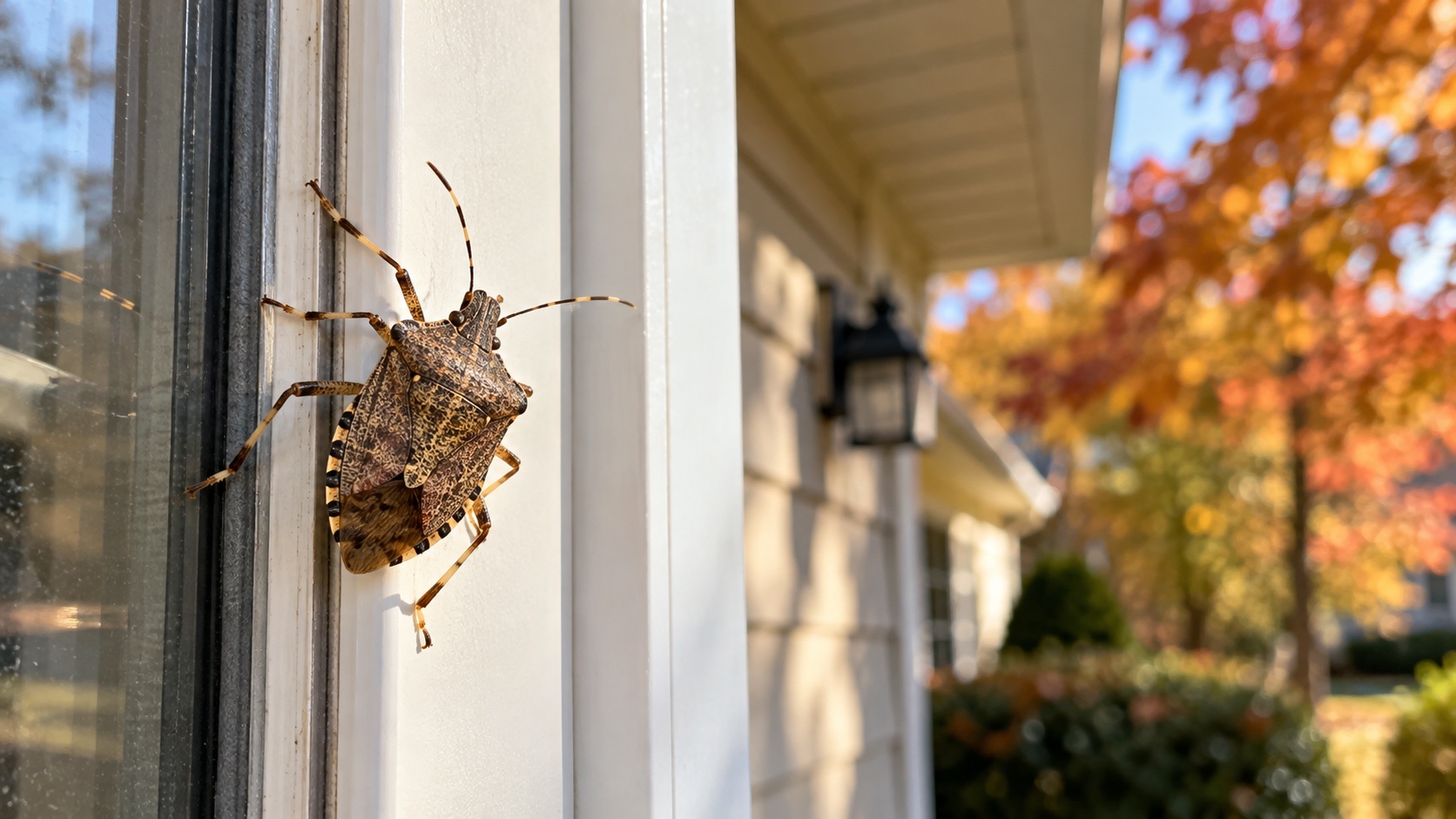
Have you found yourself wondering, “Why are there stink bugs in my house?” You’re not alone. These shield-shaped insects become particularly noticeable during the fall as they search for protected places to spend the winter. At Tactical Pest and Termite Solutions, we help North Carolina homeowners understand seasonal pest activity and take practical steps to protect their properties. Here’s why stink bugs enter homes, what attracts them, and seven ways to help keep them outside.
Why Am I Finding Stink Bugs in My House During the Fall?
Stink bugs typically enter homes because they are searching for shelter from colder weather. Unlike termites or cockroaches, brown marmorated stink bugs do not establish breeding colonies inside houses. Instead, they find protected spaces where they can remain relatively inactive during winter.
In North Carolina, this behavior becomes especially noticeable during September, October, and November. Warm autumn afternoons can bring stink bugs onto exterior walls, while cooler nights encourage them to seek openings around the home.
If you’re asking, “Why do I keep finding stink bugs in my house?” it doesn’t necessarily mean your property is dirty or poorly maintained. Even well-kept homes can provide attractive overwintering locations.
7 Reasons Stink Bugs Enter Your Home and How to Prevent Them
1. Cooler Temperatures Drive Them Toward Shelter
As outdoor temperatures decline, stink bugs begin searching for protected winter hiding places. Wall cavities, attics, and spaces around window frames provide shelter from wind and freezing conditions.
Prevention tip: Inspect your home’s exterior before the first significant temperature drop. Sealing accessible openings early can prevent insects from settling inside.
2. Warm, Sunny Exterior Walls Attract Them
Have you noticed stink bugs gathering on one side of your home? South- and west-facing walls often receive more afternoon sunlight, making them attractive gathering places during cooler weather.
If you’ve been wondering, “Why are there so many stink bugs in my house after a warm afternoon?” the answer may be related to insects gathering on sun-warmed exterior surfaces before finding their way inside.
Prevention tip: Pay particular attention to sunny exterior walls, nearby windows, siding joints, and roofline openings when checking for potential entry points.
3. Small Cracks Provide Easy Entry Points
Stink bugs do not need a wide-open door to enter. Small gaps around siding, utility connections, window trim, and exterior fixtures may provide enough room for them to slip inside.
Once inside a wall cavity, they may eventually emerge into living spaces through interior cracks.
Prevention tip: Use appropriate exterior caulk to seal small openings. Larger gaps may require additional repairs or suitable pest-resistant materials.
4. Damaged Window Screens and Door Seals
Worn weatherstripping, torn window screens, and poorly fitting doors can make it easier for insects to enter.
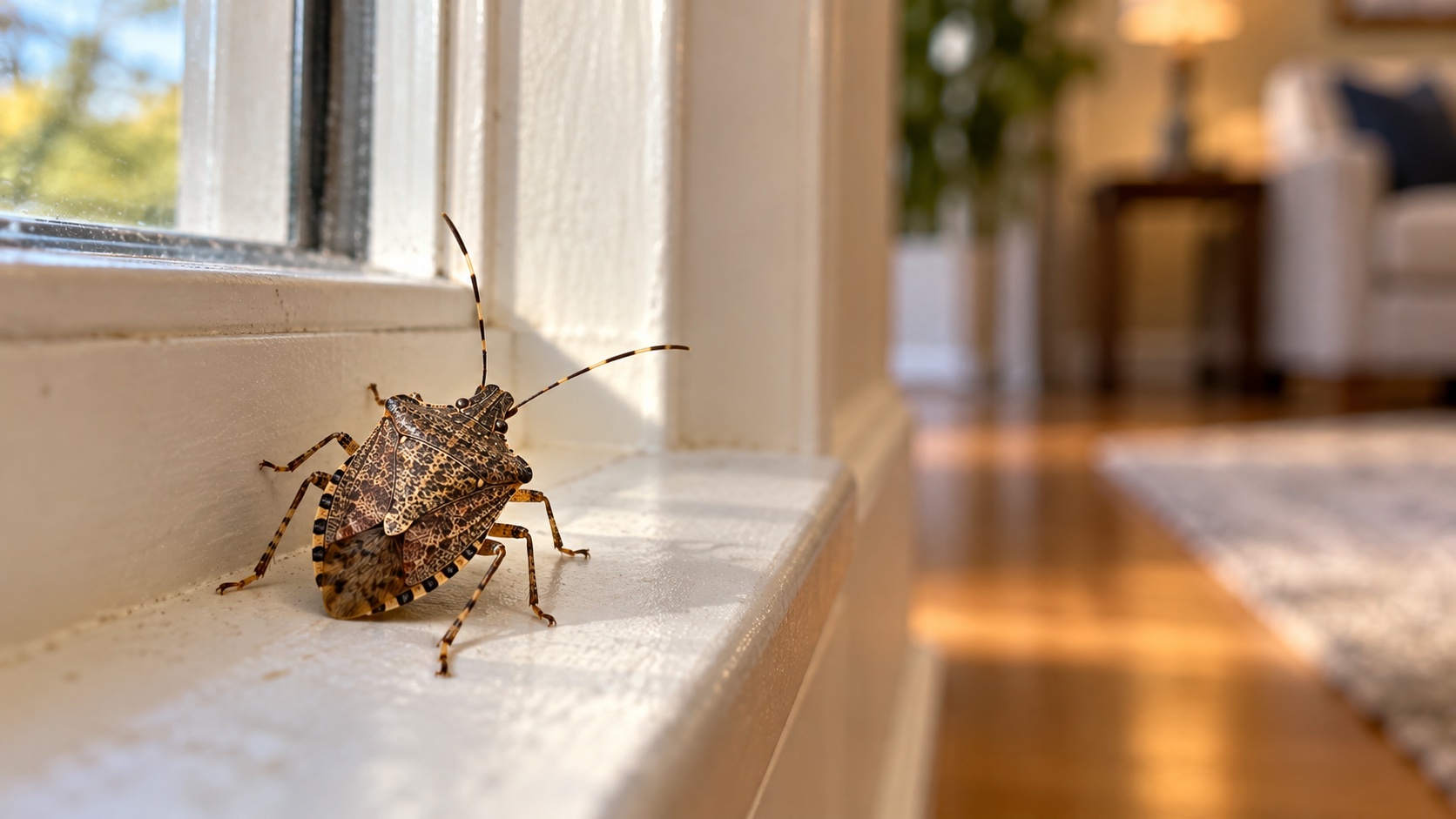
If you’re thinking, “I keep seeing stink bugs in my house near the windows,” these areas deserve closer inspection.
Prevention tip: Replace damaged screens, install properly fitting door sweeps, and check weatherstripping around exterior doors.
5. Attics and Rooflines Offer Hidden Shelter
Attics are attractive overwintering locations because they provide relatively protected spaces that are rarely disturbed.
Stink bugs may enter through openings near soffits, fascia boards, roof intersections, or inadequately screened vents.
At Tactical Pest and Termite Solutions, we recognize the importance of identifying potential pest entry points rather than simply addressing the insects homeowners can see.
Prevention tip: Inspect accessible roofline areas and repair damaged vent screening. Never block openings required for proper attic ventilation.
6. Nearby Vegetation Supports Outdoor Stink Bug Activity
Brown marmorated stink bugs feed on numerous trees, shrubs, fruits, vegetables, and ornamental plants during warmer months.
Properties with abundant vegetation may have outdoor stink bug populations nearby. As fall approaches, these insects can move from surrounding plants toward buildings.
Prevention tip: Maintain landscaping, remove unnecessary vegetation touching exterior walls, and inspect plants near frequently used entrances.
7. Previously Hidden Stink Bugs Become Active Indoors
Sometimes, finding stink bugs in your house during winter does not mean new insects are entering.
Stink bugs that entered during fall may become active when indoor temperatures rise or sunlight warms their hiding places. They can then appear near windows, ceilings, or light fixtures.
This helps answer another common homeowner question: “Why am I still finding stink bugs in my house during winter?”
Prevention tip: Remove visible insects carefully and look for interior gaps where they may be emerging. Avoid assuming that every winter sighting indicates a new infestation.
How to Get Rid of Stink Bugs Without Creating an Odor
If you’re wondering, “How do I get rid of stink bugs in my house without making them smell?” the first rule is simple: avoid crushing them.
Stink bugs release an unpleasant-smelling defensive secretion when disturbed or injured. Although the odor is not generally dangerous, it can linger on surfaces or inside vacuum cleaners.
For a few insects, carefully collect them in a container and release them outdoors, away from entrances. You can also use a vacuum with a disposable bag, but promptly remove and discard the bag outside because the odor may remain.
Avoid indiscriminately spraying insecticides inside living areas, especially when insects are hiding in walls or attics.
According to the Environmental Protection Agency, sealing entry points is an important preventive measure.
When Should You Consider Professional Stink Bug Prevention?
Occasionally finding one or two stink bugs is usually more of an inconvenience than a serious household problem.
However, repeated sightings, large groups gathering on exterior walls, or insects continually emerging from interior spaces may indicate that your home has multiple entry points.
Professional residential pest control can help identify vulnerable areas and determine whether additional prevention measures are appropriate.
For homeowners in Mint Hill, NC, and the surrounding Charlotte area, seasonal inspections can also reveal conditions that allow other unwanted insects to enter.
Keep Stink Bugs Outside Where They Belong
The most effective approach to preventing stink bugs in your house is to address the conditions that allow them inside before temperatures begin dropping.
Inspecting windows, repairing screens, sealing exterior gaps, and maintaining your property can significantly reduce opportunities for these seasonal invaders.
If you find yourself repeatedly asking, “Why are there stink bugs in my house despite everything I’ve tried?” Tactical Pest and Termite Solutions can help evaluate your property’s pest concerns and recommend appropriate solutions. Contact our team at (704) 954-8455 to learn more about protecting your home throughout the year.
Have a Pest Problem? Contact Us Today!
Frequently Asked Questions
-
Stink bugs often appear suddenly because they are searching for protected places to spend the winter. During fall, they gather on warm exterior walls and enter through small openings. Some may remain hidden for months before becoming active when indoor temperatures rise.
-
No, brown marmorated stink bugs are not considered dangerous to humans or pets. They do not bite or sting, are not known to transmit diseases, and do not damage the structure of your home. However, their defensive odor can be unpleasant, and some individuals may experience sensitivity to their secretions.
-
No, brown marmorated stink bugs do not normally reproduce inside houses. They enter buildings primarily to overwinter, not to establish breeding colonies. Their eggs are typically deposited on plants outdoors during warmer months.
-
The best way to prevent stink bugs is to seal exterior entry points before fall. Repair damaged window screens, install weatherstripping, seal cracks around siding and utility connections, and inspect attic vents. Physical exclusion is generally more reliable than depending on insecticides alone.
-
Yes, many overwintering stink bugs eventually become active and attempt to return outdoors when temperatures warm. However, some may continue appearing inside living areas throughout winter and spring. Removing visible insects and sealing accessible entry points can help reduce recurring problems.