
Why Are Silverfish in Your House? 7 Causes and Prevention Tips

What Attracts Silverfish Indoors and How to Keep Them Away
Finding a small, silvery insect darting across your bathroom floor or disappearing beneath a baseboard can be unsettling. If you’ve noticed silverfish in your house, you’re probably wondering where they’re coming from and whether they’re causing damage. These insects thrive in certain indoor conditions, particularly where moisture, darkness, and food sources are readily available. Tactical Pest and Termite Solutions helps homeowners throughout Mint Hill, NC, and surrounding communities understand household pest problems and find practical solutions. Here’s what you should know about silverfish and seven ways to make your home less inviting.
What Are Silverfish, and Why Do They Enter Homes?
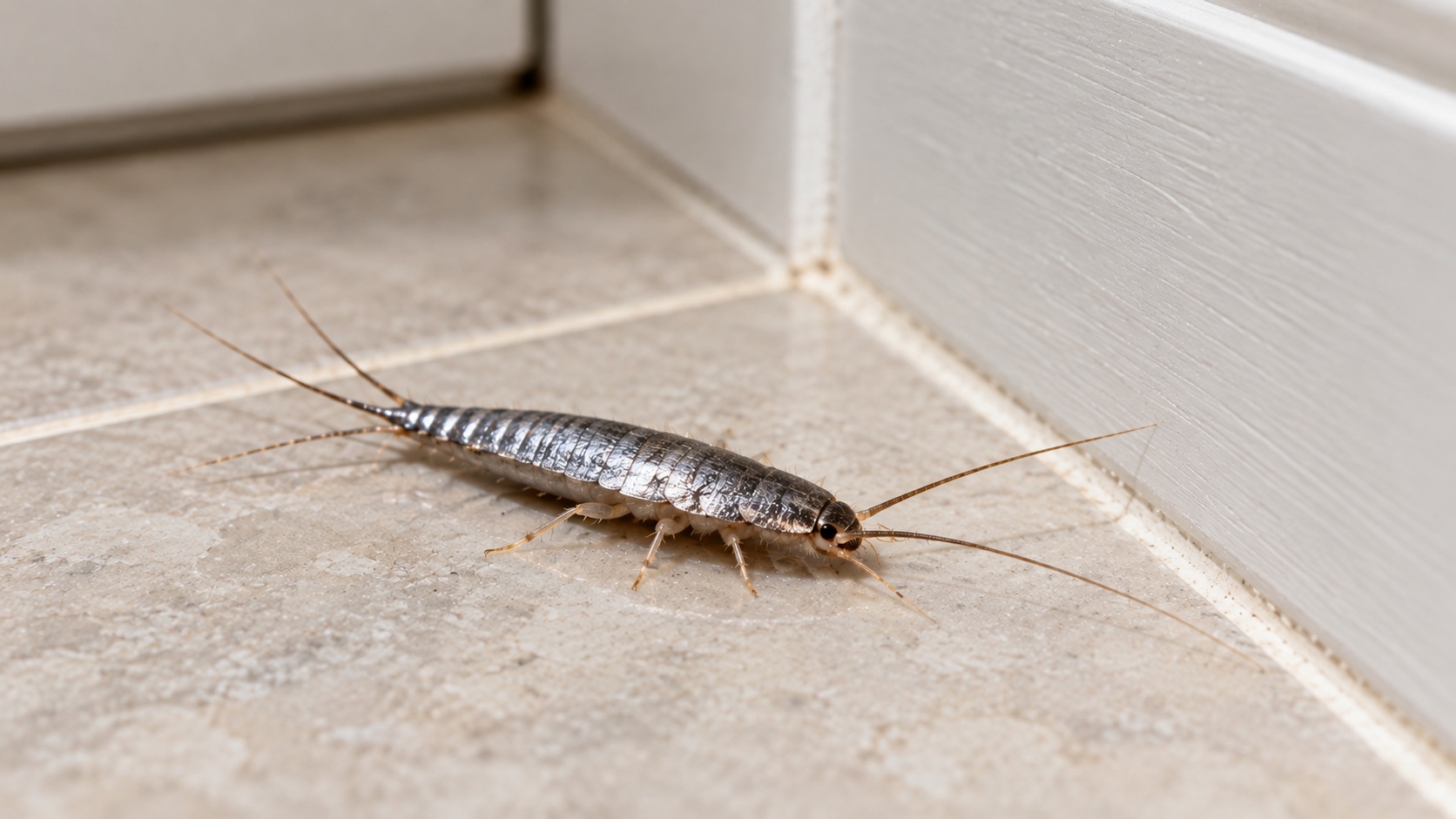
Silverfish are small, wingless insects with elongated, silver-gray bodies, long antennae, and three tail-like appendages. Their name comes from their shiny appearance and quick, fishlike movements.
Unlike termites, silverfish do not eat structural wood. However, they feed on starches, paper products, adhesives, and certain fabrics, making stored belongings vulnerable to damage.
Finding silverfish in your house doesn’t necessarily mean your home is dirty. These insects can enter through small openings or remain hidden in areas where favorable conditions allow them to survive.
7 Common Reasons You Have Silverfish in Your House
1. Excessive Indoor Humidity
Moisture is one of the biggest attractions for silverfish. Bathrooms, basements, laundry rooms, and crawl spaces frequently provide the humidity these insects prefer.
North Carolina’s humid climate can contribute to favorable conditions, especially in poorly ventilated spaces.
Check for condensation around windows, damp walls, and musty odors. Using a dehumidifier and improving ventilation can help reduce moisture levels.
2. Leaking Pipes and Plumbing Fixtures
Even a small plumbing leak can create a damp environment behind cabinets, beneath sinks, or inside wall cavities.
If you’re finding silverfish in your house near plumbing fixtures, inspect the surrounding area for water damage.
Repair leaking faucets, inspect supply lines, and dry affected materials thoroughly. Addressing the moisture source is often more effective than simply removing visible insects.
3. Cardboard Boxes and Paper Storage
Silverfish feed on materials containing starch, including certain paper products, book bindings, and adhesives.
Closets, garages, and storage rooms filled with cardboard boxes can provide both shelter and potential food sources.
Consider replacing cardboard storage containers with sealed plastic bins, particularly when storing photographs, important documents, or seasonal decorations.
4. Dark, Undisturbed Hiding Places
Silverfish are primarily nocturnal and avoid brightly lit, frequently disturbed areas.
Common hiding places include:
- Behind baseboards and trim
- Beneath bathroom cabinets
- Inside closets and storage rooms
- Around bookshelves
- Beneath stored boxes
- Within cracks and wall openings
Finding silverfish in your house during nighttime hours is common because they typically emerge when household activity decreases.
5. Accessible Food Sources
Silverfish consume more than paper. Their diet can include flour, cereal, crumbs, and other starch-containing materials.
Pantries and kitchen cabinets may become attractive when dry goods are stored in loosely closed packaging.
Store flour, cereal, pet food, and similar products in airtight containers. Regular vacuuming also helps remove crumbs and other potential food sources.
6. Cracks Around Doors, Windows, and Foundations
Small openings around a home’s exterior can provide access for unwanted insects.
Silverfish may enter through gaps around utility penetrations, damaged weatherstripping, or openings near foundations.
Inspect door sweeps, window frames, and accessible exterior cracks. Sealing these openings can reduce pest entry while improving your home’s overall protection.
7. Hidden Moisture in Crawl Spaces and Basements
Sometimes, the conditions attracting silverfish in your house originate beneath the main living area.
Damp crawl spaces, foundation moisture, and poorly ventilated basements can provide suitable environments for silverfish populations.
Inspect these areas for standing water, condensation, and damaged moisture barriers. Persistent dampness may require drainage improvements or professional moisture-control assistance.
Can Silverfish Damage Your Home or Belongings?
Silverfish generally do not bite people or transmit diseases. However, a persistent silverfish infestation can damage household belongings.
Their feeding activity may leave irregular holes, surface scraping, or yellowish staining on susceptible materials.
Items that may be affected include wallpaper, books, stored documents, cardboard, and some natural-fiber fabrics.
Unlike termites, silverfish are not considered structural wood-destroying insects. Nevertheless, repeated sightings and unexplained damage deserve attention.
How to Prevent Silverfish in Your House
Effective silverfish prevention begins with changing the conditions that allow these insects to survive.
Start by reducing indoor humidity, repairing plumbing leaks, and removing unnecessary clutter. Store vulnerable materials in sealed containers and vacuum along baseboards, behind furniture, and inside storage spaces.
Sticky monitoring traps can also help identify where silverfish are active.
At Tactical Pest and Termite Solutions, we understand that every property presents different pest control challenges. Identifying the source of an infestation is an important part of developing an appropriate treatment strategy.
For homeowners dealing with recurring silverfish activity, professional residential pest control can complement moisture reduction, sanitation, and exclusion measures.
When Should You Call a Pest Control Professional?
Seeing an occasional silverfish doesn’t automatically indicate a serious infestation. However, frequent sightings in multiple rooms, recurring activity despite prevention efforts, or damage to stored belongings may indicate a larger population.
A professional inspection can help identify likely hiding places, entry points, and conditions supporting continued activity.
For homeowners in Mint Hill, Matthews, Marvin, and Waxhaw, addressing these problems early can help prevent ongoing nuisance activity and damage to personal belongings.
Protect Your Home From Unwanted Silverfish
Discovering silverfish in your house can be frustrating, but understanding what attracts them is the first step toward preventing future problems.
By controlling moisture, protecting stored belongings, sealing entry points, and addressing recurring activity, homeowners can make their properties less attractive to these persistent insects.
Tactical Pest and Termite Solutions provides customized pest control solutions for homeowners throughout Mint Hill, NC, and surrounding communities.
If silverfish or other unwanted insects are becoming a recurring problem, contact Tactical Pest and Termite Solutions at 704-954-8455 to discuss your pest control needs.
Have a Pest Problem? Contact Us Today!
Frequently Asked Questions
-
Silverfish commonly appear when indoor conditions provide suitable moisture, shelter, and food sources. Increased humidity, plumbing leaks, and undisturbed storage areas can contribute to activity. Seeing several silverfish may indicate that a population has become established in a concealed area.
-
No, silverfish are not generally considered dangerous to people or pets. They do not bite or sting and are not known for spreading diseases. Their primary concern is damage to paper products, certain fabrics, wallpaper, and other starch-containing materials.
-
Not necessarily, but recurring silverfish activity can indicate elevated humidity or hidden moisture. Bathrooms, basements, and crawl spaces are common areas to inspect. Checking for plumbing leaks, condensation, and inadequate ventilation can help identify conditions that support these insects.
-
Reducing humidity can make your home less suitable for silverfish, but it may not eliminate an established infestation. Effective control often requires combining moisture management with sanitation, sealed storage, exclusion, and appropriate pest treatments when necessary.
-
The most effective approach is to identify and address the conditions supporting the infestation. Reduce moisture, remove accessible food sources, seal cracks, and monitor activity. When silverfish continue appearing, professional pest control can help identify concealed populations and determine appropriate treatment options.