
Why Are Earwigs in My House? Causes and Prevention Tips
Simple Ways to Reduce Earwigs Around Your Property
Finding a strange-looking insect with pincers crawling across your bathroom floor can be unsettling. If you’re wondering, “Why are there earwigs in my house?” the answer usually involves moisture, outdoor hiding places, and small openings around your home. At Tactical Pest and Termite Solutions, we help North Carolina homeowners understand what attracts unwanted insects and how to prevent them. Here’s what you should know about earwigs, why they enter homes, and how to keep them outside.
What Are Earwigs, and Why Do They Enter Homes?
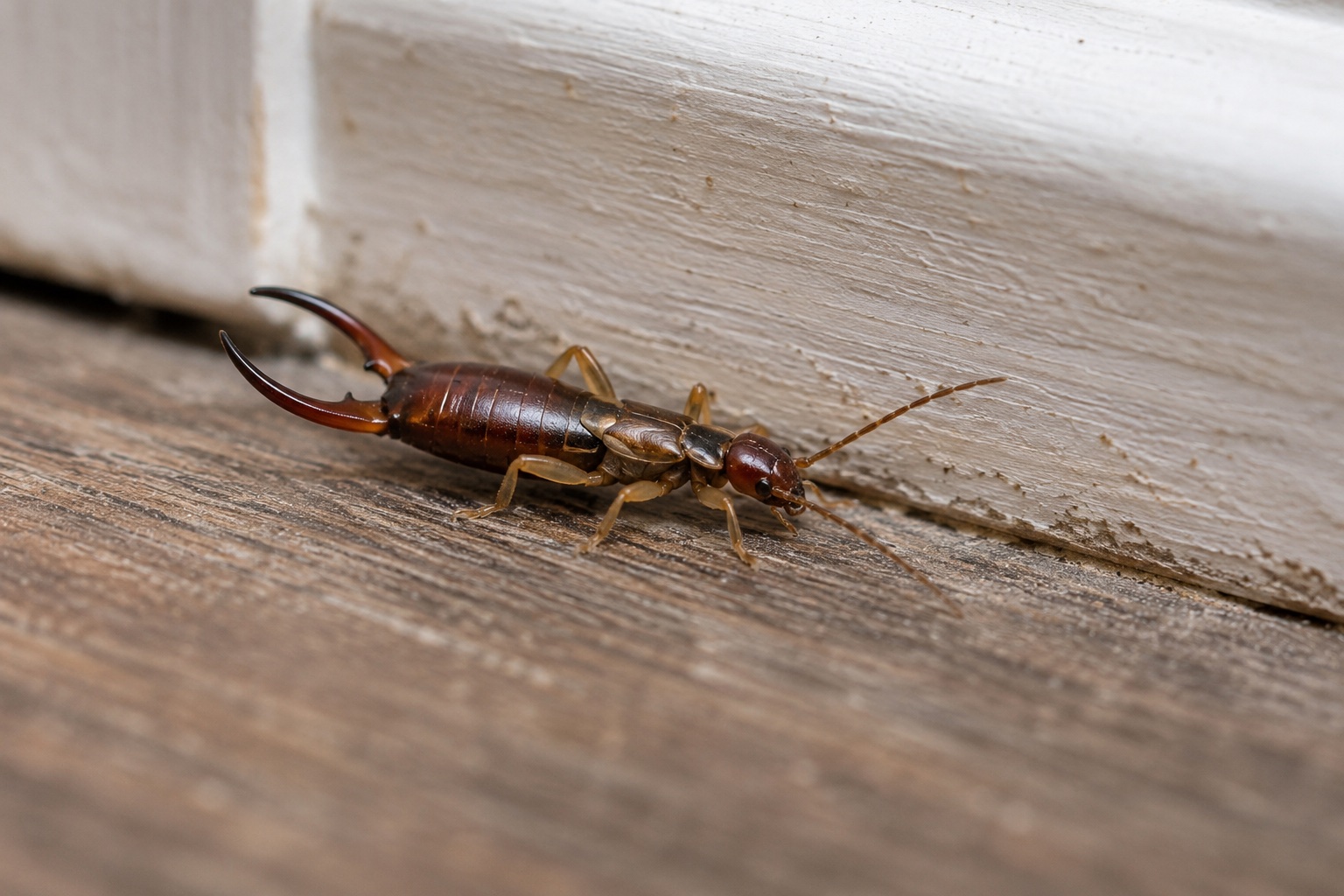
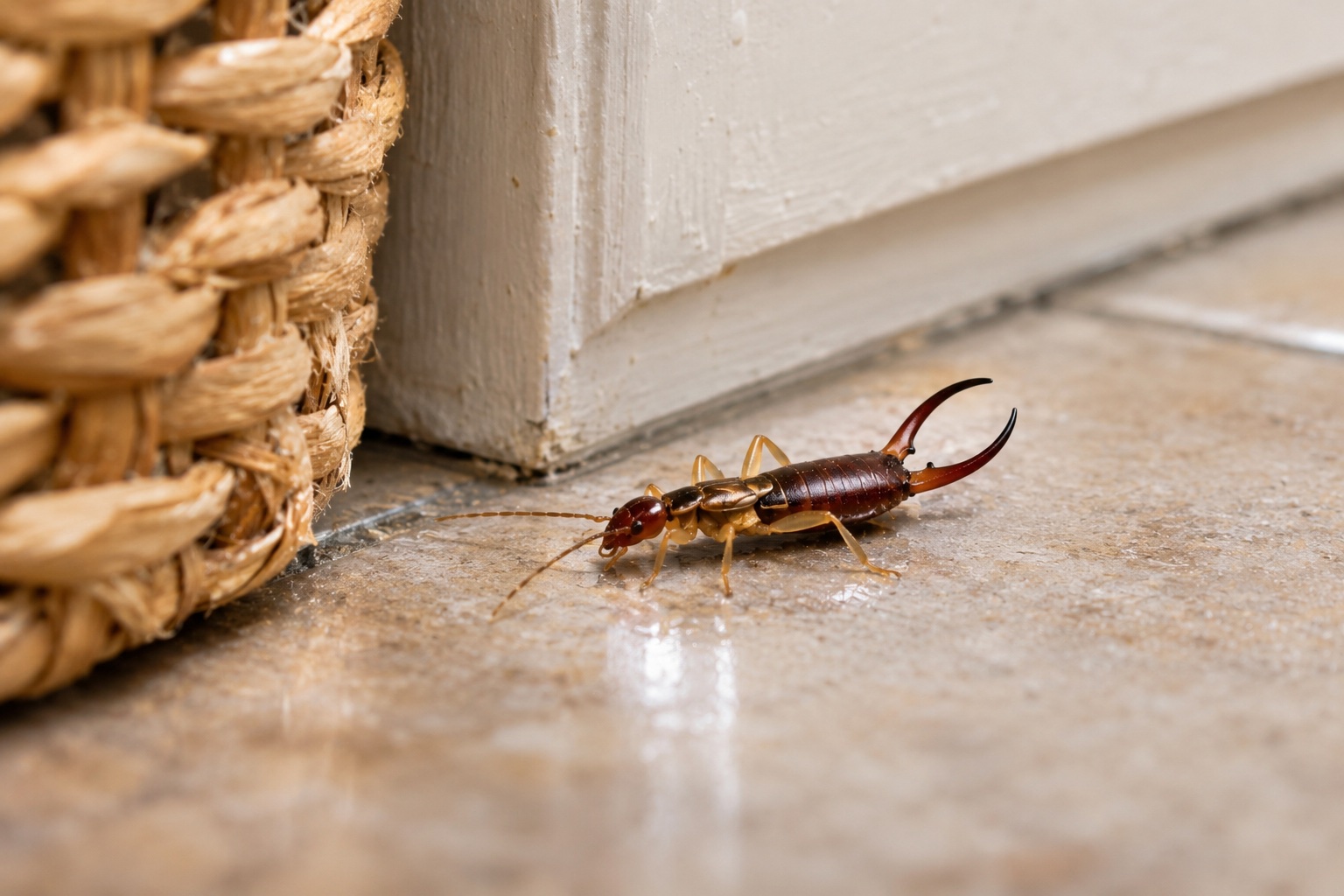
Earwigs are elongated, reddish-brown insects recognized by the curved pincers, called cerci, at the ends of their abdomens. Although their appearance can be intimidating, they generally prefer hiding rather than confronting people.
Most earwigs live outdoors, where they feed on decaying vegetation, plant material, and small insects. They favor cool, damp, sheltered environments.
When homeowners ask, “Why are there earwigs in my house?” the explanation often begins just outside their doors. Moist mulch, accumulated leaves, and shaded landscaping can provide favorable conditions for these insects.
Earwigs occasionally wander indoors through openings around doors, windows, foundations, and utility connections. Their presence doesn’t automatically indicate an indoor infestation.
How to Tell Earwigs Apart from Silverfish
Earwigs and silverfish are often found in similar damp environments, but their appearances are quite different. Earwigs have elongated, reddish-brown bodies with distinctive pincers at the rear, while silverfish have silvery-gray, tapered bodies covered in tiny scales and three long, tail-like appendages.
Silverfish also move with a quick, fish-like motion, while earwigs tend to scurry into dark hiding places. Both insects prefer moisture, but identifying which pest you’re dealing with can help you determine the most effective prevention methods.
Common Reasons Earwigs Enter Your House
Several conditions can explain why earwigs are appearing indoors. Understanding these conditions helps homeowners address the problem rather than simply removing individual insects.
1. Excess Moisture Around Your Home
Earwigs are attracted to damp environments because they lose moisture easily in dry conditions.
Leaking outdoor faucets, poorly draining gutters, and consistently wet soil near foundations can create suitable hiding places.
If you’re frequently finding earwigs in my house, especially near bathrooms or laundry rooms, check for plumbing leaks, condensation, and excessive indoor humidity.
2. Mulch and Landscaping Near the Foundation
Mulch helps landscaping retain moisture, but thick layers placed directly against a foundation can also shelter insects.
Leaf litter, fallen branches, and dense vegetation create additional hiding areas.
Keep mulch from piling against siding, remove decaying vegetation, and maintain adequate clearance between shrubs and exterior walls.
3. Small Openings Around Doors and Windows
Earwigs can enter through narrow gaps beneath doors, damaged weatherstripping, and cracks around window frames.
Inspect exterior entrances carefully. Replacing worn door sweeps, repairing screens, and sealing appropriate openings can help reduce accidental insect entry.
4. Damp Basements, Garages, and Crawlspaces
If you’re discovering earwigs in my house near a basement, garage, or crawlspace, elevated humidity may be contributing to the problem.
These areas often contain the darkness and moisture earwigs prefer.
A dehumidifier, improved ventilation, or correction of an underlying water problem may make these spaces less attractive.
5. Changes in Outdoor Weather
Heavy rainfall can disturb outdoor hiding places or saturate soil, encouraging earwigs to move into nearby sheltered areas.
Periods of hot, dry weather can also lead them to search for cooler, more humid locations.
For homeowners in Mint Hill, Matthews, and surrounding North Carolina communities, seasonal rainfall and fluctuating temperatures can influence where earwigs appear.
Are Earwigs Dangerous to People or Pets?
Earwigs are generally not dangerous to people or household pets. Despite the familiar myth, they do not crawl into people’s ears to lay eggs.
Their pincers are primarily used for defense, mating behavior, and handling prey. An earwig may pinch when handled, but these insects are not venomous and do not typically cause serious injuries.
Earwigs also do not damage structural wood like termites.
However, if you’re seeing earwigs in my house repeatedly, it may indicate moisture problems or openings that allow other unwanted pests to enter.
How to Keep Earwigs Out of Your House
The most effective earwig prevention strategy combines moisture management, landscaping maintenance, and exclusion.
Start with these practical steps:
- Reduce excess moisture. Repair leaking faucets, improve drainage, and address damp indoor areas.
- Remove outdoor hiding places. Clear leaf litter, decaying vegetation, and debris near the foundation.
- Maintain landscaping. Trim vegetation touching the house and avoid excessive mulch buildup.
- Seal entry points. Repair damaged screens, install door sweeps, and close accessible exterior gaps.
- Inspect storage areas. Check cardboard boxes, flowerpots, and outdoor items before bringing them inside.
- Remove indoor earwigs. Use a vacuum or carefully collect individual insects rather than applying unnecessary pesticides.
If you’re still seeing earwigs in my house after making these changes, the source may be a concealed moisture problem or an overlooked entry point.
Does Finding One Earwig Mean You Have an Infestation?
No. Finding a single earwig indoors usually means an outdoor insect wandered into your home.
Unlike cockroaches, earwigs do not typically establish large, persistent breeding populations inside ordinary living spaces.
However, repeated sightings deserve attention, particularly when insects appear in the same damp location.
At Tactical Pest and Termite Solutions, our approach to residential pest control includes evaluating the conditions contributing to pest activity. Identifying the source helps determine whether additional treatment is necessary.
When Should You Call a Pest Control Professional?
Occasional earwig sightings can often be managed through simple preventive measures. Persistent activity, however, may require a closer inspection.
Professional assistance may be appropriate when earwigs repeatedly appear indoors, moisture problems remain unresolved, or several types of insects are entering through the same areas.
For homeowners searching for answers about earwigs in my house, identifying the conditions attracting them is often more valuable than treating every insect individually.
Keep Earwigs Outside Where They Belong
Finding earwigs in my house doesn’t necessarily mean there’s a serious pest problem. These insects usually enter accidentally while searching for favorable conditions.
By controlling moisture, maintaining landscaping, and sealing potential entry points, homeowners can significantly reduce unwanted encounters.
If earwigs or other pests continue appearing around your property, Tactical Pest and Termite Solutions can help. Our locally based team provides customized pest control solutions for homeowners in Mint Hill, Matthews, Marvin, Waxhaw, and surrounding communities.
Contact Tactical Pest and Termite Solutions at (704) 954-8455 to discuss your pest concerns and request professional assistance.
Have a Pest Problem? Contact Us Today!
Frequently Asked Questions
-
Earwigs often appear indoors because of moisture, nearby outdoor hiding places, or weather changes. Heavy rain, damp landscaping, and small openings around doors or foundations can contribute to increased sightings.
-
No. Earwigs can enter clean, well-maintained homes. They are primarily attracted to moisture and shelter rather than poor housekeeping. Addressing damp conditions and sealing entry points can help prevent them.
-
Earwigs do not typically bite people, but they can pinch with the pincers at the ends of their bodies when threatened. They are not venomous, and their pinches are generally mino
-
Start by reducing moisture, removing leaf litter, and sealing exterior openings. Vacuuming individual earwigs can provide immediate relief. Long-term prevention depends on making indoor and outdoor conditions less favorable.
-
Earwigs generally reproduce outdoors in protected soil or other sheltered environments. They rarely establish persistent indoor populations in typical homes. Frequent sightings may indicate that insects are continually entering from outside or that unusually damp indoor conditions exist.